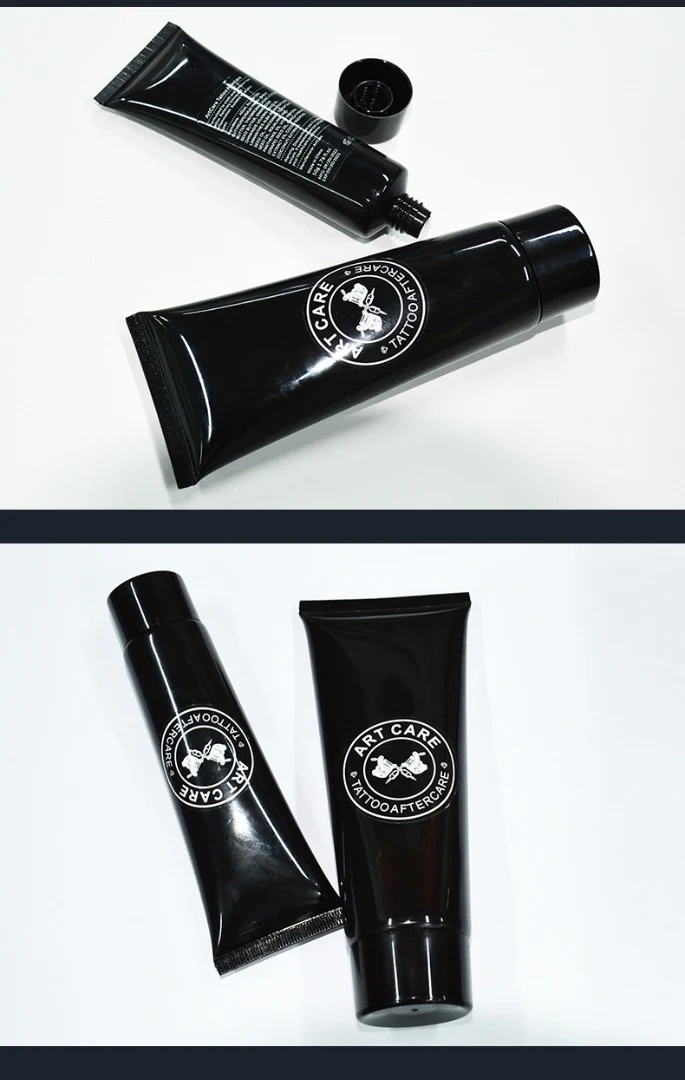
Getting a tattoo inked is one thing. Keeping it looking sharp for years is another.
A lot of people spend weeks picking the right design, the right artist, and the right placement. Then they go home after the tattoo is inked and get a tattoo aftercare cream. That’s where things go wrong. Infections, fading, and patchy healing are almost always tied to what happens after the needle stops making holes in the body.
Here is what you need to know.
The First 24 Hours
Your tattoo artist will place a bandage over your new tattoo. This is the first step in tattoo aftercare, leave it on. Your artist may recommend that you leave it on for two to four hours, although some artists may use a second skin wrap that is designed to stay on for 24 hours. Follow your artist’s instructions for this.
When you remove the wrap, wash the area gently with clean hands and mild, fragrance-free soap. Pat it dry with a clean paper towel. Don’t rub. The skin is open and raw at this point, and rubbing causes irritation.
Skip the regular towels. They harbour bacteria, and that’s the last thing you want near a fresh wound.
Cleaning the Right Way
For the first two weeks, wash the tattoo twice a day. Morning and night work well for most people. Use lukewarm water and a gentle, unscented soap.
Hot water draws out ink. Cold water can cause discomfort on broken skin. Lukewarm is the right call.
Rinse thoroughly, pat dry, then apply a thin layer of unscented moisturiser or a product recommended by your artist. Some people reach for petroleum-based products, but lighter water-based moisturisers tend to breathe better on healing skin.
How to Moisturise
This comes up a lot. How much is too much?
Over-moisturising is a real problem. It can trap bacteria under a thick layer of product and slow the peeling process. Apply a thin coat, enough to keep the skin from drying out, but not so much that the area looks greasy.
The tattoo will peel and flake over the first week or two. That’s normal. Don’t pick at it. Picking pulls out ink and leaves patchy spots. If the flaking bothers you, a small amount of moisturiser usually helps settle it down without forcing anything off prematurely.
What You Should Avoid
Sun exposure. Direct sunlight fades ink fast, especially on fresh tattoos. Keep the area covered or out of the sun for at least the first month. Once healed, use SPF 50 or higher any time the tattoo will be exposed.
Swimming. Pools, oceans, and lakes are off the table for at least two to three weeks. The Australian Tattoo and Body Piercing Industry Association notes that submerging a fresh tattoo raises the risk of infection considerably. It also draws ink out.
Tight clothing over the area. It causes friction and pulls at the skin. If the tattoo sits under clothing, wear something looser while it heals.
Scratching. The itching phase hits around days four to seven. It can be intense. Gently tapping the area with a clean finger can help. Scratching damages the skin and the ink.
REad also: NFTs Beyond Art: Real-World Use Cases
The Role Numbing Cream Plays in Aftercare
Some people apply a topical numbing cream before their session to reduce discomfort during tattooing. That’s a different process from aftercare, but it’s related in one respect.
If a numbing cream is used prior to getting a tattoo, the skin may react slightly differently in the coming hours. Some numbing creams can cause a small amount of swelling or a change in skin texture.
When choosing a numbing cream for future sessions or other procedures, look for TGA-approved products with clearly listed active ingredients like lidocaine. Products without Therapeutic Goods Administration approval carry uncertain risk profiles and are best avoided.
Healing Takes Longer
The surface of the tattoo looks healed within two to three weeks for most people. The deeper layers of skin take up to three months to fully settle. During that extended period, the tattoo may look slightly dull or hazy. That’s normal.
Don’t judge the final result too early. Keep moisturising. Keep protecting it from the sun. The colour usually returns once the deeper healing is complete.
Signs That Something Is Wrong
Redness, swelling, and tenderness in the first 48 hours are expected. If those symptoms worsen after day two rather than improving, pay attention.
Look out for:
- Pus or discharge from the tattoo site
- Red streaks are spreading outward from the area.
- Fever or chills
- Pain that increases after the first couple of days
These can signal infection. See a doctor promptly if any of these appear. Don’t wait to see if it clears on its own.
Taking care of a new tattoo isn’t complicated. It just requires consistency. The people who end up with patchy, faded, or infected tattoos usually skipped a step or assumed healing would sort itself out. Small habits done daily over two to three weeks will make the difference between ink that lasts and ink that needs touching up.