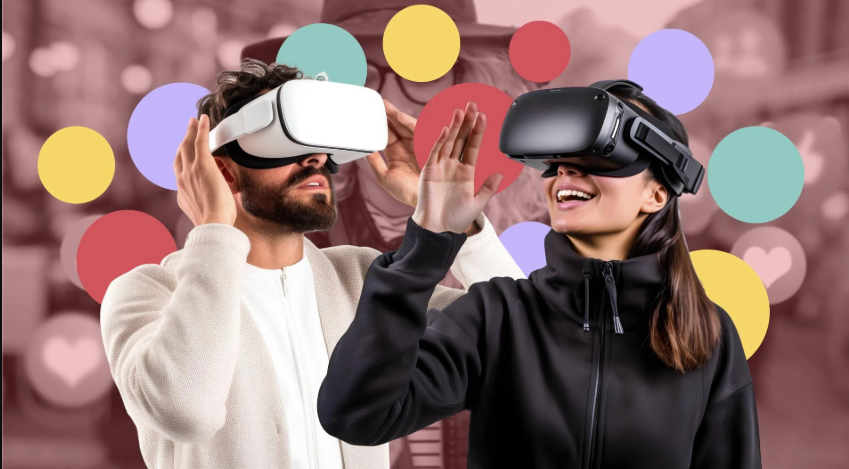
The integration of augmented reality (AR) and virtual reality (VR) in digital marketing campaigns signals a transformative shift in consumer engagement strategies. Brands are now leveraging these technologies to create immersive experiences that transcend traditional advertising methods. This evolution raises essential questions about effectiveness and consumer behavior. As companies experiment with these tools, understanding their impact on brand loyalty and conversion rates becomes crucial. What insights can be gleaned from the latest innovations in this space?
The Power of AR and VR in Marketing
As digital landscapes evolve, the integration of augmented reality (AR) and virtual reality (VR) is emerging as a transformative force in marketing strategies.
These technologies create immersive experiences that captivate audiences, enabling brands to engage consumers through interactive storytelling.
Engaging Consumers: How Do Brands Use AR and VR?
Brands are increasingly leveraging AR and VR technologies to forge deeper connections with consumers, enhancing their marketing strategies through immersive experiences.
By creating interactive environments, brands facilitate meaningful consumer interaction, allowing users to explore products in novel ways.
This innovative approach not only captivates audiences but also fosters brand loyalty, as consumers engage in personalized experiences that resonate with their desires for freedom and exploration.
Case Studies: Successful AR and VR Campaigns
While many companies have embraced AR and VR technologies, a few standout campaigns exemplify the transformative potential of these tools in digital marketing.
IKEA Place revolutionized furniture shopping by allowing users to visualize products in their homes.
Coca Cola AR engaged consumers with interactive experiences, while Nike VR offered immersive product trials.
Sephora Virtual enhanced the shopping journey through virtual try-ons, fostering deeper customer connections.
See also: AI Tools That Improve Workplace Productivity
Future Trends: What’s Next for AR and VR in Marketing
Although the current landscape of digital marketing has already witnessed significant advancements through AR and VR technologies, the future promises even more groundbreaking developments that could redefine consumer engagement.
Emerging trends will prioritize immersive experiences, aligning with evolving consumer expectations. Brands that leverage these technologies innovatively will foster deeper connections, ultimately transforming how consumers interact with products and services in a dynamic digital marketplace.
Conclusion
As AR and VR continue to reshape the landscape of digital marketing, brands are not just selling products but crafting experiences that resonate deeply with consumers. Like a painter wielding a brush, marketers can now create vivid narratives that draw audiences into their worlds, fostering loyalty and satisfaction. The future promises even greater innovations, positioning AR and VR as essential tools in a marketer’s arsenal, ensuring that engagement remains not just a goal, but a dynamic reality.