AI tools are transforming workplace productivity by automating repetitive tasks and optimizing workflows. These technologies empower employees to concentrate on strategic initiatives, enhancing overall efficiency. With capabilities like predictive analytics, organizations can make swift, informed decisions. However, the impact of AI on workplace dynamics extends beyond mere productivity gains. Understanding the specific tools and trends shaping this evolution is crucial for companies aiming to thrive in a competitive landscape.
The Role of AI in Enhancing Workplace Efficiency
As organizations increasingly adopt advanced technologies, the integration of artificial intelligence (AI) has emerged as a pivotal factor in enhancing workplace efficiency.
AI automation streamlines repetitive tasks, allowing employees to focus on more strategic initiatives. This shift not only fosters creativity but also drives workflow optimization, resulting in increased productivity and a more dynamic work environment that empowers individuals to thrive.
Top AI Tools for Streamlining Daily Tasks
The adoption of AI technologies is transforming how employees manage their daily tasks, leading to significant improvements in productivity.
Top AI tools facilitate task automation and enhance workflow optimization, allowing teams to focus on strategic initiatives rather than mundane responsibilities.
See also: abovethink
How Do AI-Powered Analytics Boost Decision-Making?
How can AI-powered analytics enhance decision-making processes within organizations?
By utilizing predictive analytics, companies can forecast trends and outcomes, allowing for informed choices.
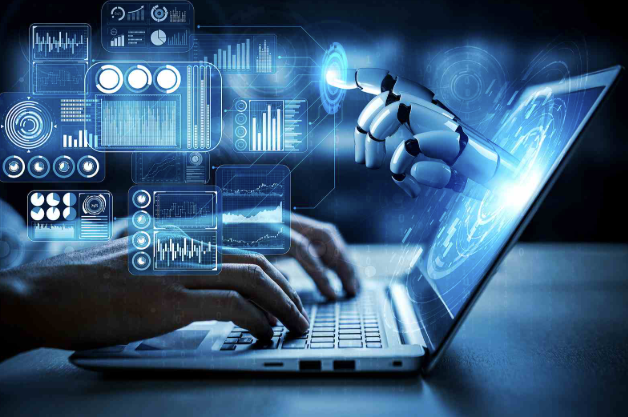
Data visualization tools further simplify complex data, enabling stakeholders to grasp insights quickly.
This combination fosters agility, empowering teams to respond proactively to market shifts and optimize strategies, ultimately enhancing overall productivity and driving success in a competitive landscape.
Future Trends: What’s Next for AI in the Workplace
While many organizations have already integrated AI tools into their daily operations, the future promises even more transformative advancements in workplace productivity.
As AI evolves, businesses must prioritize AI ethics, ensuring responsible deployment.
Additionally, workforce adaptation will be crucial, as employees embrace new technologies that enhance collaboration and creativity.
The next wave of AI will foster environments where innovation thrives alongside ethical considerations.
Conclusion
As the sun rises on a new era of workplace productivity, AI tools emerge as the architects of efficiency, sculpting workflows into streamlined masterpieces. By automating the mundane and illuminating data-driven insights, these technologies empower teams to navigate the complexities of their tasks with agility and creativity. As organizations embrace this digital renaissance, the landscape of work transforms into a vibrant tapestry of innovation, where employees thrive and productivity soars to new heights.