The Growing Demand for Energy Efficient Cooling Technologies
Industrial operations require reliable and efficient cooling systems to maintain stable conditions for processes and equipment. As energy consumption continues to rise, industries are increasingly seeking alternatives to conventional cooling systems that rely heavily on electricity. This shift has driven the adoption of advanced technologies that offer both efficiency and sustainability.
One such solution is the use of a desiccant cooler, which operates by removing moisture from the air before cooling it. This approach enhances overall system efficiency by reducing the load on traditional cooling mechanisms. By focusing on humidity control as part of the cooling process, desiccant systems provide a more effective and energy conscious solution.
The integration of moisture management with cooling represents a significant advancement in industrial climate control strategies.
Understanding the Working Principle of Desiccant Coolers
Moisture Removal Process
Desiccant coolers rely on hygroscopic materials that absorb moisture from the air. When humid air passes through the system, the desiccant material captures water vapor, resulting in drier air.
This reduction in humidity makes the air easier to cool, improving the efficiency of the overall cooling process.
Heat Exchange Mechanism
After moisture removal, the air undergoes a cooling process through heat exchange systems. Since the air is already dry, the cooling system requires less energy to achieve the desired temperature.
This combination of dehumidification and cooling creates a more efficient and balanced system.
Continuous Operation
Desiccant coolers are designed for continuous operation, with regeneration cycles that restore the moisture absorbing capacity of the desiccant material. This ensures consistent performance over extended periods.
Automation and control systems help maintain optimal conditions by adjusting system parameters in real time.
Benefits of Using Desiccant Coolers in Industrial Applications
Improved Energy Efficiency
By removing moisture before cooling, desiccant systems reduce the workload on conventional cooling equipment. This leads to lower energy consumption and improved efficiency.
Enhanced Cooling Performance
Dry air is easier to cool than humid air. As a result, desiccant coolers enable faster and more effective temperature control.
Reduced Operational Costs
Lower energy usage translates into reduced operational expenses. Over time, this makes desiccant cooling a cost effective solution for industrial applications.
Better Environmental Control
Desiccant coolers provide precise control over both temperature and humidity. This ensures stable environmental conditions that support efficient operations.
Types of Desiccant Cooling Systems
Standalone Desiccant Coolers
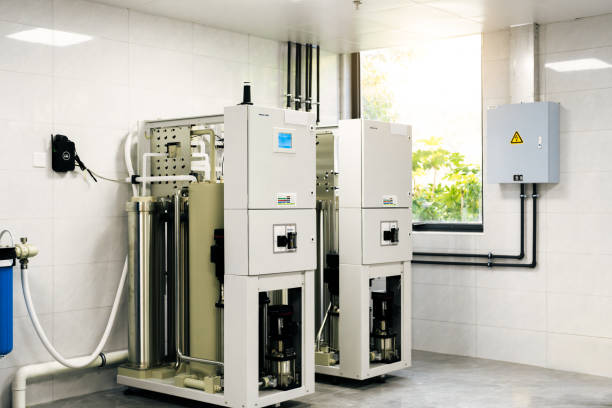
Standalone systems are designed to operate independently, providing both dehumidification and cooling in a single unit. These systems are suitable for specific applications where localized control is required.
Integrated Cooling Systems
Integrated systems combine desiccant technology with traditional cooling methods. This hybrid approach enhances performance by leveraging the strengths of both technologies.
Advanced Hybrid Configurations
Advanced systems incorporate multiple stages of cooling and dehumidification to achieve optimal results. These configurations are designed for complex industrial environments.
For further insights into advanced cooling technologies, exploring adsorption chillers can provide a deeper understanding of how thermal energy based systems complement desiccant cooling.
Key Considerations for Implementing Desiccant Coolers
Climate and Humidity Levels
The effectiveness of desiccant cooling depends on the level of humidity in the environment. Systems must be selected based on the specific conditions of the facility.
Energy Source Availability
Desiccant systems often require heat for regeneration. The availability of suitable energy sources should be considered during system selection.
System Capacity and Design
Proper sizing and design are essential for achieving optimal performance. The system must be capable of handling the cooling and dehumidification requirements of the space.
Maintenance Requirements
Regular maintenance ensures consistent performance and extends the lifespan of the system. Choosing systems with easy maintenance features can improve operational efficiency.
Integration with Modern Industrial Systems
Automation and Smart Controls
Modern desiccant coolers are equipped with advanced control systems that monitor and adjust performance in real time. This ensures consistent operation and improved efficiency.
Data Driven Optimization
The use of data analytics allows for continuous performance monitoring and optimization. This helps identify potential improvements and maintain efficiency over time.
Scalability and Flexibility
Desiccant cooling systems can be designed to accommodate future expansion. This flexibility allows industries to adapt to changing requirements without significant modifications.
Emerging Trends in Desiccant Cooling Technology
Energy Efficient Innovations
Ongoing advancements focus on improving energy efficiency and reducing operational costs. New materials and system designs contribute to enhanced performance.
Integration with Renewable Energy
Desiccant systems can be integrated with renewable energy sources such as solar power. This further enhances sustainability and reduces environmental impact.
Smart Environmental Management
The adoption of smart technologies enables better control and monitoring of cooling systems. This enhances reliability and supports efficient operation.
Conclusion
Desiccant coolers play a vital role in improving the efficiency and sustainability of modern industrial cooling systems. By combining moisture control with cooling, these systems offer a comprehensive solution that reduces energy consumption and enhances performance.
As industries continue to prioritize efficiency and environmental responsibility, desiccant cooling technology is expected to gain wider adoption. Solutions provided by Bry-Air demonstrate how advanced cooling systems can support long term operational success while maintaining high standards of efficiency and reliability.