A thoughtful approach to affordable home decor focuses on impact over expense. Start with a clear plan, prioritizing changes that raise mood per dollar. Paint offers the biggest transformation with neutral bases and adaptable accent tones. Test lighting with swatches and keep color psychology in mind. Add reversible DIY art and small, smart accessories to tie rooms together. The key is intentional, versatile choices that quietly refresh a space—and the next step may be simpler than expected.
How to Refresh a Room on a Budget (Intro to the Approach)
A refreshing room on a budget starts with a clear plan: identify the key elements that define the space and prioritize changes that deliver the most impact for the least cost. The approach emphasizes simplicity, flexibility, and intentional purchases. It outlines refreshing a room on a budget through essentials, while exploring budget friendly color palettes that elevate mood without overwhelming financial freedom.
Paint Picks That Transform Without Breaking the Bank
Paint selections that deliver impact without a steep price tag hinge on choosing versatile finishes, dependable brands, and strategic color applications. The approach favors neutral bases paired with accent hues, leveraging paint swatches to test lighting and scale. Color psychology informs mood choices, guiding affordable updates that feel intentional. Results remain refined, flexible, and budget-conscious, empowering homeowners to refresh spaces with confidence.
DIY Artwork and Lightweight Decor Swaps for Impact
But why overlook quick, inexpensive updates when lightweight art and decor swaps can transform a room in hours? This suggestion centers on DIY canvases and lightweight frames to refresh walls without commitment. The approach favors simple, reversible changes, mindful budgeting, and creative reuse. Practiced, intentional selections elevate spaces while preserving freedom to experiment with color, size, and rotating displays.
Smart, Affordable Accessory and Furniture Tweaks
In practical terms, small, well-chosen accessories and minor furniture updates can dramatically improve a room without a costly overhaul, emphasizing function, proportion, and cohesive style.
The approach centers on two word discussion ideas: mindful refinements and intentional accents.
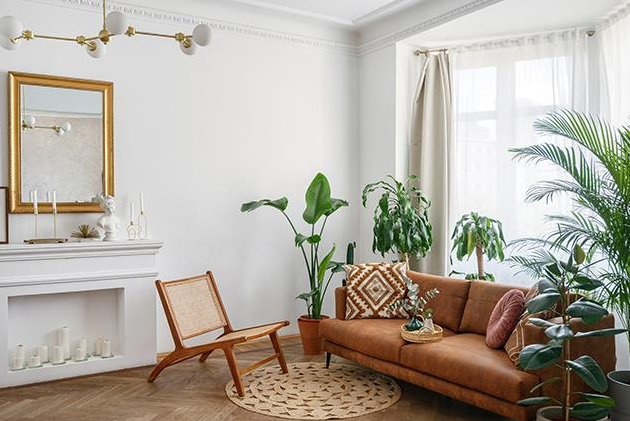
Budget friendly choices surface through versatile pieces, simple furniture tweaks, and strategic placement, fostering freedom to refresh without overwhelming space or budget.
Frequently Asked Questions
How Do I Measure Room Scale Before Buying Decor?
To measure room scale before buying decor, one should measure length, width, and ceiling height, then compare with item footprints; measure doorways and path flow. This helps guide decisions, ensuring balance, budget-conscious choices, and flexible decorating freedom. Two word discussion ideas: scale ideas.
What Affordable Materials Look High-End on Camera?
A whisper of wisdom: the question is answered by selecting materials that read high end on camera. The strategy favors high end textures and budget friendly finishes, balancing tasteful, practical choices with freedom and affordable confidence.
Which Color Schemes Suit Small Spaces Most?
Colors that brighten and feel cohesive suit small spaces best. Color psychology guides choices, while lighting moods define perception. Budget decor swaps and compact space planning keep interiors airy, practical, and free-spirited without sacrificing style.
See also: NFTs Beyond Art: Real-World Use Cases
How Can I Repurpose Existing Items Creatively?
Repurposing everyday items unlocks creativity and practicality. A grandmother’s teacup collection became a chandelier’s charm, illustrating upcycling. DIY upcycling ideas include turning jars into lighting, ladders into shelves, and fabric scraps into cushions—budget-friendly, freedom-loving, tasteful solutions.
Are Budget Fixes Permanent or Temporary Improvements?
Budget fixes can be temporary improvements or upgraded through quality upgrades; their lasting effects depend on materials and maintenance. The approach remains tasteful and practical, delivering budget-conscious choices that honor freedom while balancing durability and cost.
Conclusion
In the final frame, a room becomes a quiet ledger of intent: paint as a calm, enduring baseline; a single thrifted accent as a compass; and lightweight art as breath between walls. Each deliberate choice acts like a small key, turning the door to mood and function without excess. The budget is not a limit but a map, guiding reversible, enduring steps where style and practicality echo in rhythm, inviting fresh perspectives whenever the wallet allows.